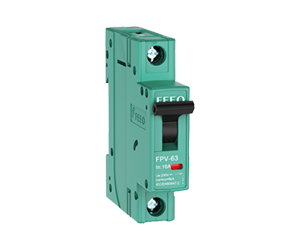
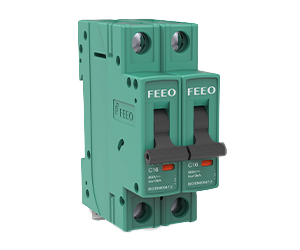
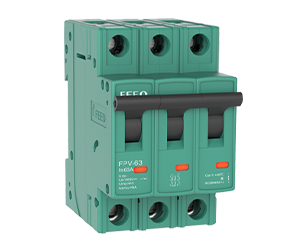
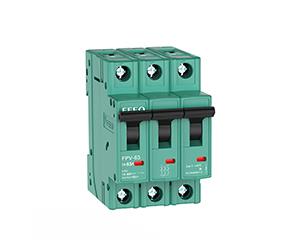
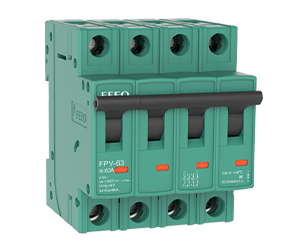
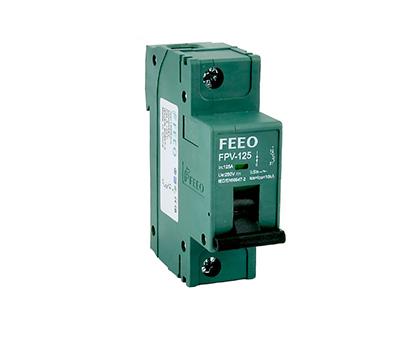
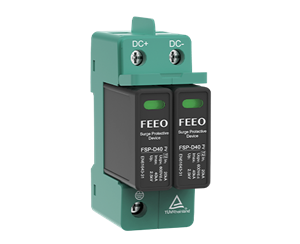
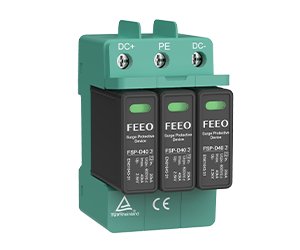
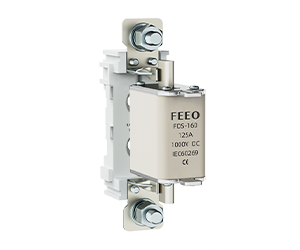
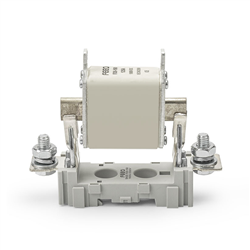
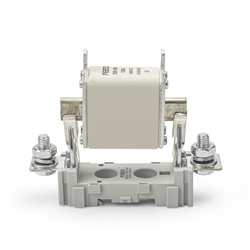
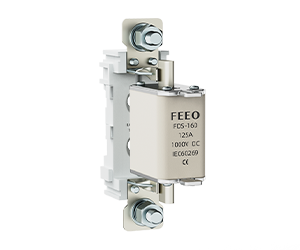
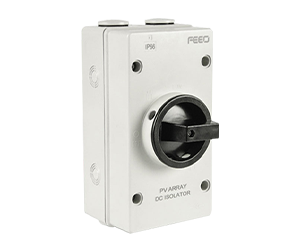
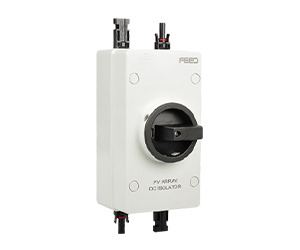
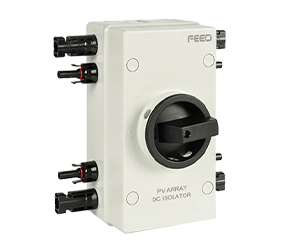
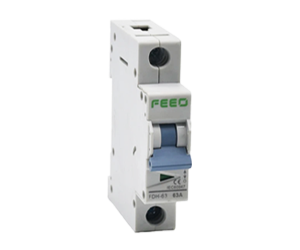
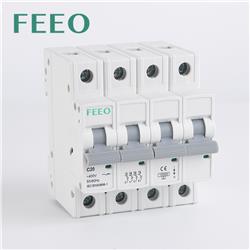
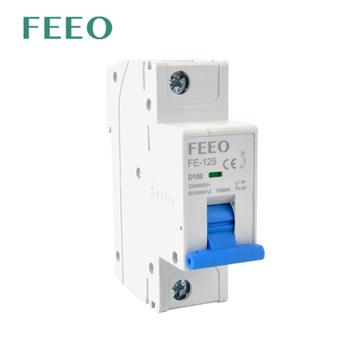
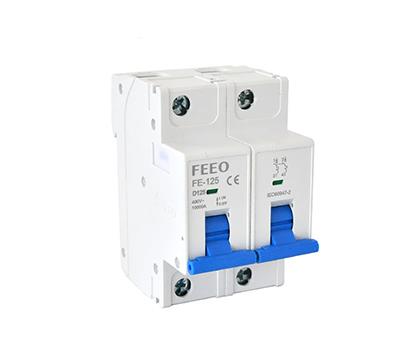
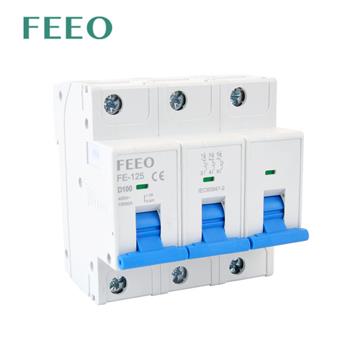
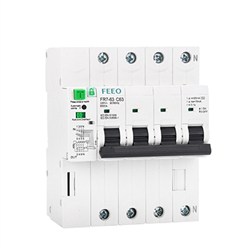
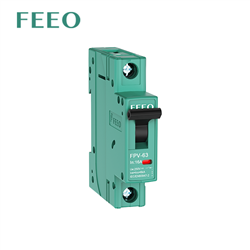
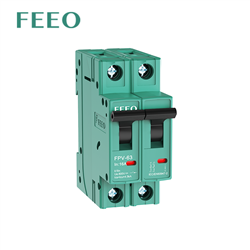
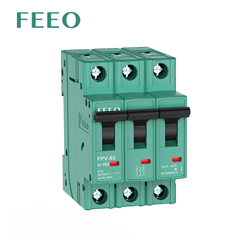
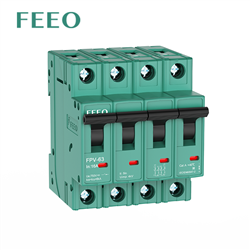
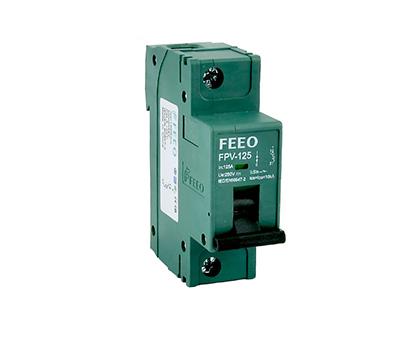
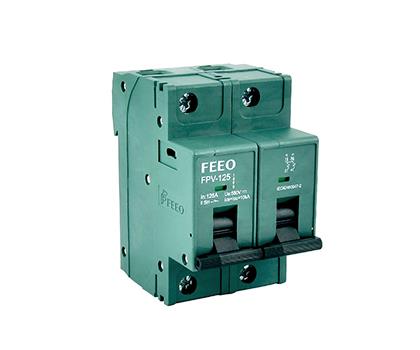
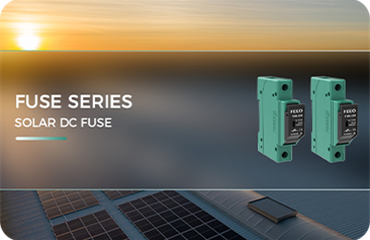
You've invested in solar panels, optimizers, and a powerful inverter. You're watching the energy meter spin backwards, feeling great about those clean kilowatts. But there's a small, critical component working behind the scenes that deserves a shoutout: the DC Fuse.
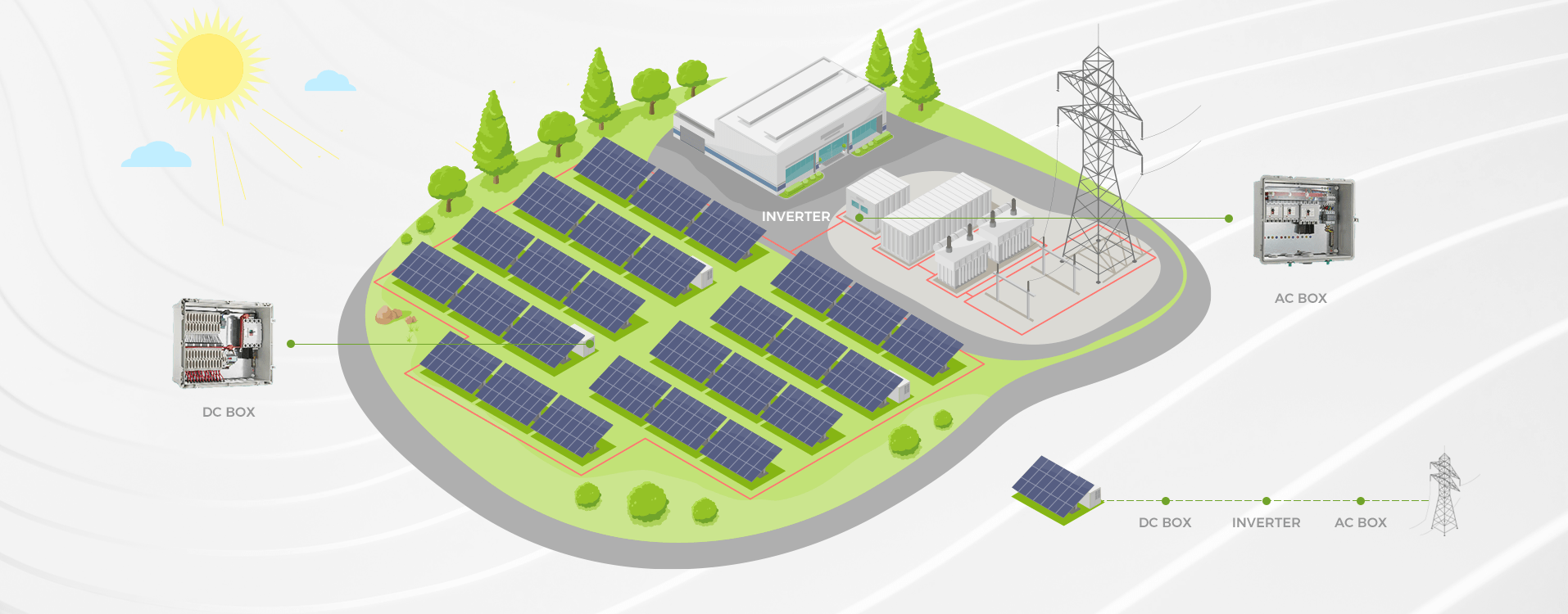
Think of your solar array as a powerful network of waterways. The sunlight is the source, the cables are the rivers, and your inverter is the processing plant. Now, imagine a sudden, catastrophic blockage or a surge of pressure—a short circuit or a fault. Without a controlled release, that energy has nowhere to go but to create damage, overheating cables, and even fire.
This is where the humble DC fuse becomes a superhero.
What Does a DC Fuse Do in Simple Terms?
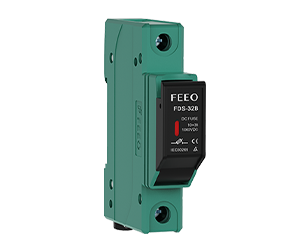
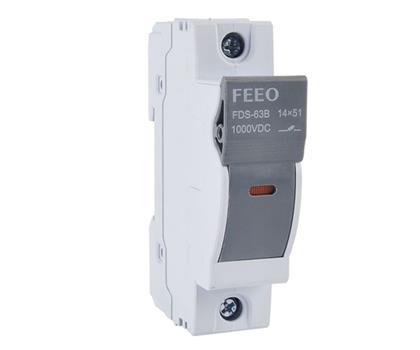
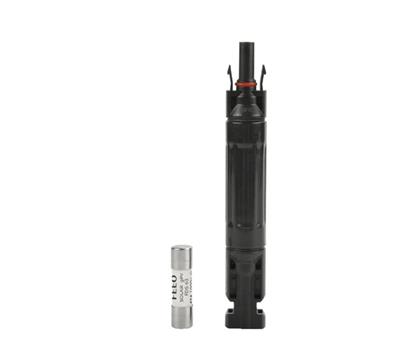
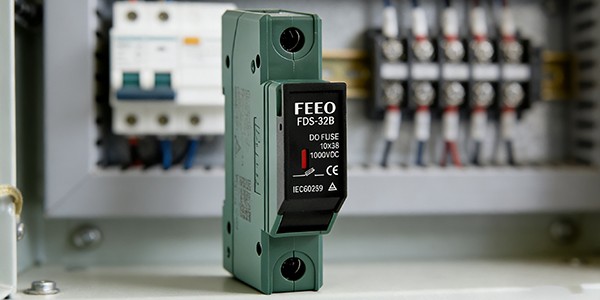
It's a deliberate weak link. Its sole job is to fail safely. When an electrical fault causes current to spike dangerously above the system's design, the tiny metal strip inside the fuse heats up instantly and melts. This action breaks the circuit, stops the abnormal current flow, and isolates the faulty section.
Why is a DC Fuse Especially Crucial in Solar?
"The DC Danger": Unlike the AC side from your inverter, the DC side from your panels has constant, high-voltage current. There's no natural "zero crossing" point to help extinguish an arc. A DC electrical fault can sustain a dangerous, fiery arc for much longer. The fuse is designed to quench this arc swiftly and decisively.
Protection in Both Directions: Your panels generate power, but a fault can also send current backwards into a damaged string. Fuses protect modules from reverse currents caused by imbalances or failures elsewhere in the array.
Isolating Problems: In a large system with multiple strings, a fault in one string shouldn't take down your entire solar production. String fuses isolate that single problematic string, allowing the rest to keep generating power while you address the issue.
Equipment Protection: It's the first line of defense for your valuable inverter. By stopping a fault on the DC lines, it prevents expensive internal damage to the inverter's sensitive electronics.
Where Will You Find Them?
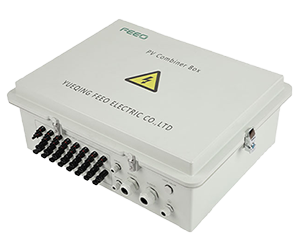
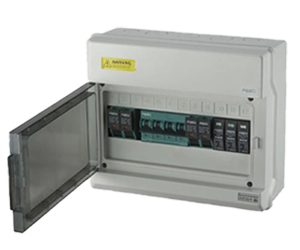
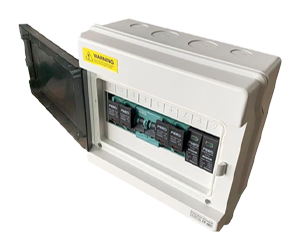
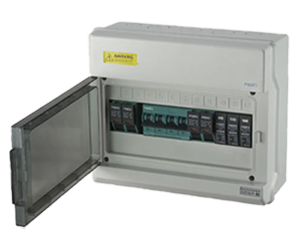
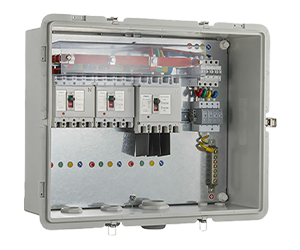
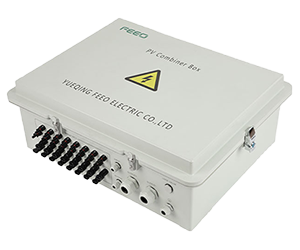
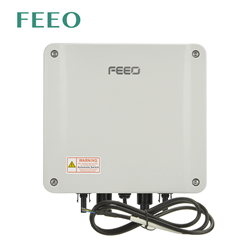
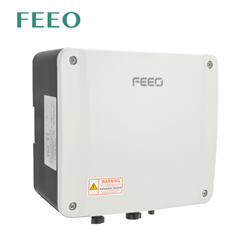
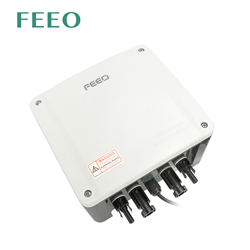
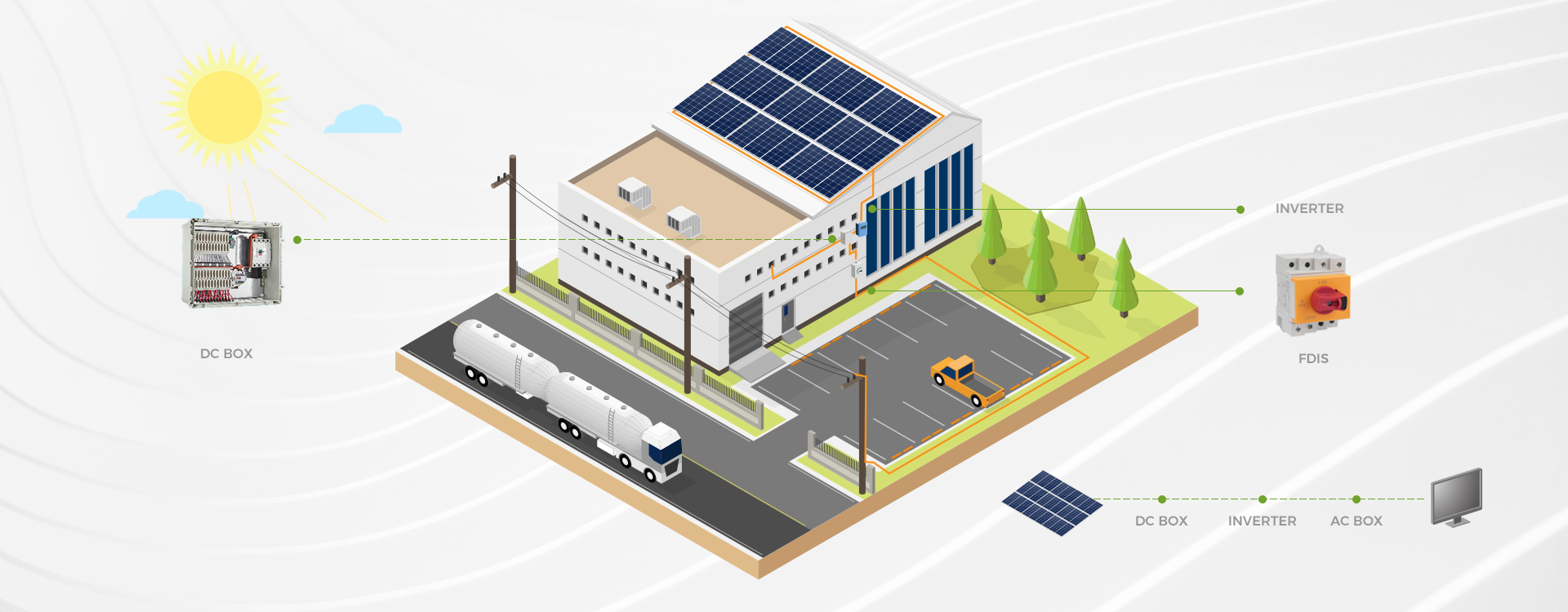
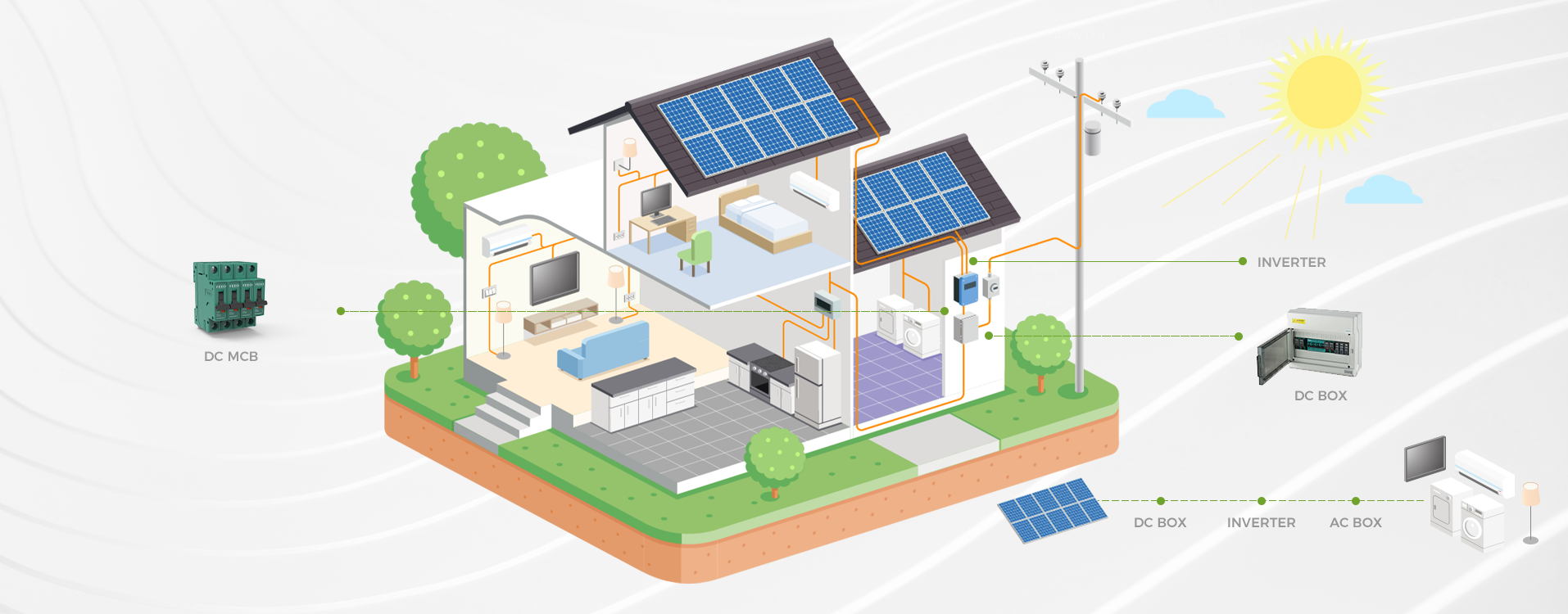
Typically in the DC combiner box (where multiple panel strings come together), and sometimes as an integral part of the inverter's DC input section.
The Bottom Line:
A DC fuse is a non-negotiable safety device. It’s a small investment for safety, system reliability, and asset protection. It works silently, unseen, and you hope you never need it. But if a fault occurs, you'll be incredibly grateful it's there, standing guard.